
In honor of Earth Day, I wanted to write about something I consider super important - something that I try every day to implement in my life, and a topic that many people still have limited knowledge about: the danger of excess PLASTIC.
We all know that plastic has made our lives “easier” – it’s cheap and extremely durable. But over the past years, it’s gotten completely out of hand - plastic is in EVERYTHING. It’s essentially an icon of our convenience culture that now dominates our modern lives.
As a result (and unbeknown to many) we are hurting ourselves and our planet.
We are unknowingly absorbing these toxic microplastics that nowadays are are everywhere - from the dust, many fabrics, our daily cosmetics, cleaning products, rain water, seafood, conventional produce (especially when bagged in plastics), table salt, and more!
What Do You Need to Know?
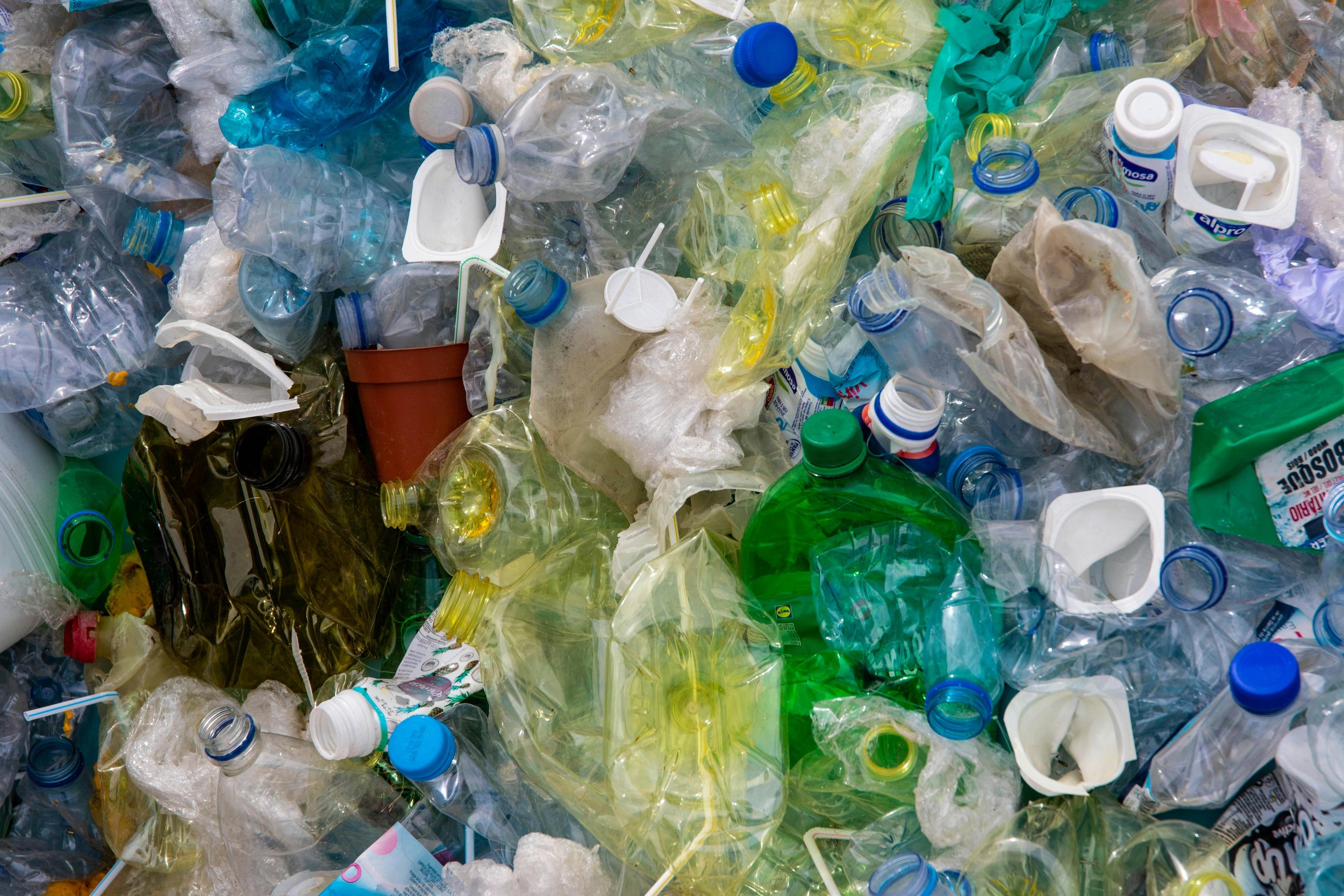
Plastic pollution is affecting our land, waterways and oceans, and harming many marine animals, from entanglement as well as from problems due to ingestion of plastic waste, and exposure to the chemicals within the plastics. I recently read in UK Independent magazine that “there are 500 times more pieces of microplastic in the sea than there are stars in our galaxy and by 2050 it is estimated there will be more plastic than fish”…”Some plastic is toxic and can disrupt hormones crucial for a healthy existence. Even when it is not dangerous itself – or not known to be – plastic acts like a magnet for a range of other poisons and pollutants we have spilled into the natural world”.
Honestly, we can go on and on about the harm its doing to our environment. Its terrible. And while some populations are at least great at their recycling efforts (like my friends and family in California), there are still many countries (like sadly the country I live in) where recycling is almost non-existent. And every year more and more plastics are being produced and contributing to this epidemic of plastic pollution.
Pollution aside, one of the main things that has really propelled me to cut back on plastic is the harm is does to our bodies. Many of the chemicals used in manufacturing plastic are toxic and disruptive to our health, in particular our endocrine (hormone) system.
“Recent experiments have shown that microplastics can affect various systems in the human body, including the digestive, respiratory, endocrine, reproductive, and immune systems. First, the digestive systems are affected when microplastics are ingested, and physical irritation to the gastrointestinal tract may eventually cause inflammation, resulting in various gastrointestinal symptoms.1 Microplastics may cause changes in the intestinal microbiome, resulting in an imbalance between beneficial and harmful bacteria, which can lead to various gastrointestinal symptoms, such as abdominal pain, bloating, and changes in bowel habits.”
Apart from our pollution issue, here are 2 key ingredients to look out for in plastics:
-BPA & alternatives. BPA is one of the most commonly known chemicals in plastic that has been shown to create hormone imbalances, creating negative developmental, reproductive, neurological and immune effects in humans. Research has linked long-term BPA exposure to birth defects and cancer. Nowadays, BPA is finally being removed from many plastic items, but I’ve read that recent studies are showing that the chemicals used to replace it are not much better.
-Phthalates. Another chemical (used to increase the flexibility of certain plastics such as PVC) that has been known to affect our hormones, disrupting both male and female reproductive systems.
What can we do?
Its obvious that we can’t completely eliminate plastic from our lives (it's sadly on my laptop keyboard now, and forms part of my watch, and more). BUT every one of us can start taking baby steps to reduce our plastic consumption, choosing replacements that are better for us and the environment… like choosing glass and stainless steel over plastic.
So now, let’s take ACTION.
Here are 10 easy steps to cut back on your plastic exposure:
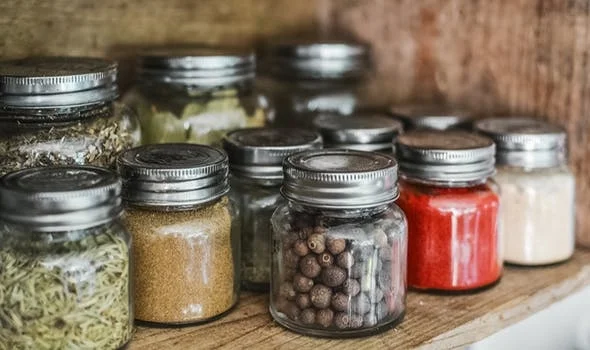
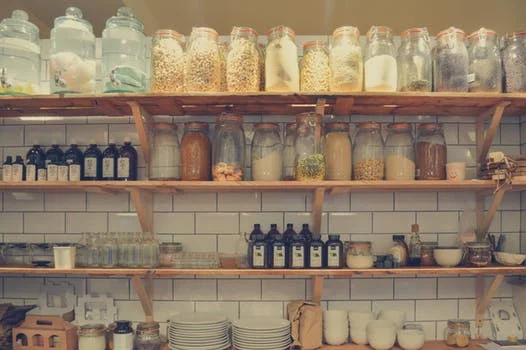
1. Use glass, stainless steel and silicone containers to store your foods. I suggest these:
Glass Mason Jars. I use these from Ball.
Silicone Food Storage: I recently discovered these food containers that are super lightweight and collapsible and pretty awesome.
Glass food storage with bamboo tops like THESE, or with silicone-glass tops – are great and completely plastic-free. I use both!
Lastly, Pyrex Glass Containers and Glasslock are also staples in my house. However, they do have plastic lids so I avoid the food touching lids (and never heat with the lid). They're a pretty inexpensive option, so an easy first step.
2. Always carry around a plastic-free water bottle! You can do a stainless-steel bottle (like Owala, Stanley, S’well, SimpleModern) or a glass bottle (I love BKR) - and carry with you at all times, and limit your purchase of plastic water bottles.
Also be careful with coffee travel tumblers that have plastic tops; opt for a plastic-free coffee travel mug (such as this one or this one; I use both) as heat will intensify the leaking of microplastics!
3. Swap out plastic straws for biodegradable ones (paper or bamboo or sugarcane), or even better, for reusable glass or stainless steel (and silicone ones for the kids!) at home.
4. Swap your electric water kettle for one with no plastic - opt for stainless steel (I own and love this one from Smeg) or glass and stainless combo. Note: it's especially important to avoid plastic in items that you heat up because that's what most causes chemicals to leech!.
Next step: also switch to a plastic free blender, like this one!
5. Be careful of plastics in your daily facial/beauty products! When buying face/body care products: 1) avoid products with “polypropylene” or “polyethylene” on the ingredients list, which is indicative of microplastics in the product (crazy!) and surprisingly is in many of the Neutrogena, Clean & Clear and other common face washes/scrubs, and 2) look for facial washes/toners/moisturizers in glass containers. I’m a huge fan of OSEA, Odacite, Living Libations, One Love Organics and True Botanicals. For sustainable plastic-free makeup, I like Axiology, RMS Beauty and Kjaer Weis.
6. Avoid plastic grocery and produce bags. Store your produce (veggies/fruits) in organic cotton bags or mesh bags. I have tons of both and love them!
7. Avoid plastics in your clothes. I recently learned that many types of synthetic fiber clothing also contain plastics and plastic chemicals (crazy, right?!). So when possible, opt for natural fiber clothing (like cotton, wool, hemp, linen, etc) over synthetics like polyester, lycra, etc. Especially for your underwear and for your babies.
8. For drying your laundry, swap out your blue plastic dryer balls or roxic dryer sheets (please read this blog on why to avoid them) and opt for organic wool drier balls (I use these) to which you can add essential oils that will leave your clothes cleaner and smelling fresh (in a totally natural, non-toxic way)!
9. Make your period “waste-free” and avoid using plastic tampons/pads. Swap out your plastic tampons for a Menstrual Cup such as LENA or Saalt. If you’ve tried the cup and just can’t adapt, at least opt for bpa-free organic pads / tampons.
10. Opt for nontoxic biodegradable diapers. Ideally, swap out your baby’s disposable diapers for re-usable cloth diapers, such as GroVia, Bummis, bumGenius which are eco-friendly, comfty and free of toxic solvents and formaldehyde. (Just think of how much you save in terms of waste and money!). Though if you cant be bothered with washing cloth diapers (I get it!), then opt for more sustainable eco-friendly disposable diapers such as Bambo Nature and Coterie (my favorites).
Make an effort to take at least one, if not more, of these steps, starting TODAY. By making these swaps, you'll end up cutting back on plastic waste, you'll reduce your toxic load, AND you'll save money in the long run.
Share my blog with others, so we can all be part of this ripple effect to improve our health and that of our planet!
References:
https://pmc.ncbi.nlm.nih.gov/articles/PMC10151227/#B14
https://www.independent.co.uk/environment/plastic-how-planet-earth-environment-oceans-wildlife-recycling-landfill-artificial-a7972226.html
https://magazine.hms.harvard.edu/articles/microplastics-everywhere
https://pmc.ncbi.nlm.nih.gov/articles/PMC10151227/